Innovate
  Accelerate
  Engineers & Experience
  Quality Assurance
  Salesforce
  Application Development and Maintenance
  Full Cycle Development
  Consulting Services
  Staff Augmentation
  eCommerce
  Education
  Fintech
  Health & Wellness
  Healthcare
  Logistics
  Media & Entertainment
  Real Estate
  Travel
  Sports




NFTs have moved far beyond the idea of simple digital collectibles. They have become a recognized form of digital asset that is changing how ownership works in the online world. From gaming assets and virtual land to exclusive content and branded digital experiences, NFTs are creating real value in spaces that barely existed a few years ago.
What was once viewed as a short-term trend is now being adopted by artists, brands, gamers, creators, and even real estate-focused businesses. A new digital economy is taking shape, where ownership can be verified, exclusivity can be proven, and creators have more control over how their work is monetized.
According to a recent McKinsey report, the tokenized asset market may grow beyond $2 trillion by 2030. This shows that NFTs are no longer just hype. They are becoming part of a larger shift in how businesses and users interact with digital assets.
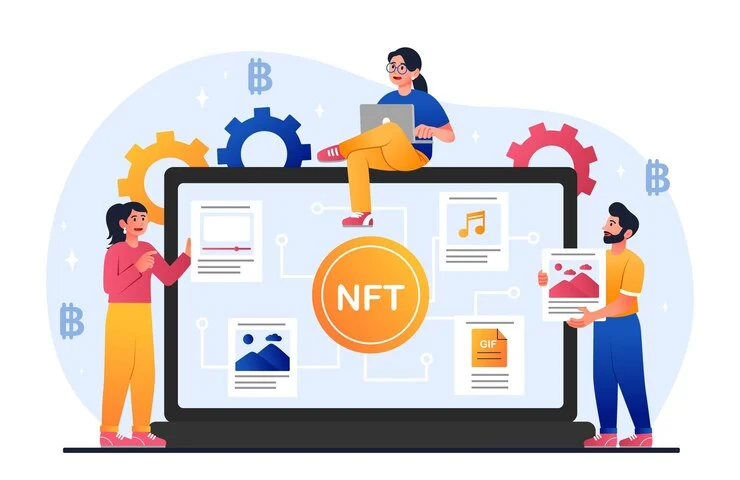
So, what exactly is an NFT, and how does it work?
This guide explains the basics of NFTs, how they are created and traded, why they hold value on the blockchain, and what makes them non-fungible. It also covers the platforms that support NFT transactions and why businesses, creators, and organizations are exploring NFT development.
Whether you are interested in gaming, digital art, investment opportunities, or simply want to understand the NFT ecosystem better, this guide gives you a clear foundation to move forward with confidence.
Let’s explore this complete guide to NFT development and understand how NFTs work, where they are used, and what the future may look like for this technology.
With the tokenized asset market expected to reach $2 trillion by 2030, this is the right time for businesses to explore the NFT space.
Position your brand at the front of NFT innovation.
Connect With Experts
Understanding Non-Fungible Tokens: What They Are and How They Work
To understand NFTs, it helps to first look at the difference between fungible and non-fungible assets. Fungible assets, such as regular currency, can be exchanged for another item of equal value. For example, one dollar can be replaced with another dollar and still hold the same worth.
Non-fungible tokens, or NFTs, are different because each one is unique. They represent ownership of a specific digital asset, and that ownership is verified through blockchain networks such as Ethereum. In this guide to NFT development, you will learn how these digital assets are created, bought, sold, and used across different industries.
Exploring the Different Types of NFTs
NFTs have become an important part of the digital economy and are influencing many industries. From art and music to gaming, fashion, and virtual real estate, NFTs give creators and businesses new ways to build value and connect with audiences. Below are some of the most common types of NFTs and how they are being used.
Digital Art
Digital art NFTs have changed the way artists sell and protect their work. Artists can convert their creations into unique blockchain-based assets and sell them directly to collectors. This reduces dependency on middlemen and gives artists more control over ownership records, authenticity, and resale opportunities.
Digital art remains one of the most popular NFT categories and clearly shows how NFTs are transforming creative industries.
Music and Video NFTs
Musicians, filmmakers, and digital content creators are using NFTs to sell exclusive songs, albums, videos, and special-edition content. These NFTs may also include additional benefits such as backstage access, limited-edition merchandise, or private fan experiences.
For the music and entertainment industry, NFTs create new revenue opportunities and allow artists to build stronger relationships with their audience. They also introduce scarcity into a space where digital content has traditionally been easy to copy and distribute.
Virtual Real Estate and Gaming
In gaming and virtual environments, NFTs are used to represent ownership of digital land, avatars, skins, weapons, and other in-game assets. These items can be bought, sold, and traded, creating digital economies where virtual assets hold real value.
Platforms such as Decentraland and The Sandbox have helped make virtual real estate one of the fastest-growing NFT categories. This growth has also increased demand for Metaverse NFT marketplace development, where users can trade digital properties and assets within immersive virtual worlds.
Collectibles
NFTs have given digital collecting a new identity. Users can now own and trade rare digital items such as trading cards, memorabilia, limited-edition artwork, and virtual goods. These collectibles may increase in value over time, attracting both hobby collectors and serious investors.
The rise of NFT collectibles has created new markets and communities around digital ownership.
Domain Names and Intellectual Property NFTs
NFTs are also being used for business-related digital assets such as domain names, trademarks, and intellectual property rights. Since blockchain records are transparent and easy to verify, NFTs can make ownership transfers more secure and traceable.
This use case expands NFTs beyond entertainment and collectibles, showing their potential in legal, commercial, and enterprise environments.
Fashion and Wearable NFTs
Fashion brands are entering the NFT space by creating digital clothing, accessories, and wearable items for avatars in virtual worlds. These digital fashion items can be used in games, metaverse platforms, and online communities.
Some brands are also combining digital wearables with physical fashion products, creating exclusive experiences for customers. This is changing how people think about fashion ownership in both digital and real-world spaces.
Event Tickets and Experiences
NFTs can also be used as secure digital event tickets. Since they are blockchain-based, they are difficult to counterfeit and easy to verify. NFT tickets can also unlock VIP access, exclusive content, or post-event collectibles.
This shows how NFTs are expanding into entertainment, events, and live experiences while helping organizers create deeper engagement with their audiences.
NFT Marketplaces: Where Digital Assets Are Traded
NFT marketplaces are online platforms where users can create, buy, sell, display, and trade NFTs. These platforms form the core of the NFT economy by connecting creators, collectors, brands, and investors. They also provide tools for minting NFTs, managing digital assets, and verifying blockchain-based ownership.
Here are some of the most widely used NFT marketplaces:
OpenSea: OpenSea is one of the largest and most flexible NFT marketplaces. It supports multiple networks, including Ethereum, Polygon, and Base. It is widely used for art, gaming assets, collectibles, domain names, and other NFT categories.
Rarible: Rarible is a multi-chain, community-focused NFT platform. It has its own governance token, RARI, and supports blockchains such as Ethereum, Tezos, and Polygon. It also offers a simple no-code minting experience for creators.
Foundation: Foundation is a curated NFT marketplace designed mainly for digital artists. It is known for its clean interface, invite-based model, and high-value art sales. The platform appeals to serious collectors looking for premium digital artwork.
SuperRare: SuperRare focuses on exclusive, single-edition digital art. Artists are reviewed before they can list their work, making the platform suitable for collectors who are interested in high-quality and museum-style digital creations.
How to Pick the Right NFT Marketplace
When exploring NFT development, choosing the right marketplace is an important step. The platform you select can affect your visibility, sales potential, user experience, and long-term success. Here is a practical guide to help you choose the best NFT marketplace based on your goals and technical needs.
Identify Your Goal
Before selecting a marketplace, be clear about what you want to achieve. Are you an artist selling limited-edition digital artwork? Are you a collector looking for rare NFTs? Are you a gamer interested in buying and trading in-game assets?
Your goal will help you focus on marketplaces that match your niche. A clear objective makes it easier to choose a platform where your work, assets, or interests will have the right audience.
Know the Blockchains in Play
Different NFT marketplaces operate on different blockchain networks. For example, OpenSea and Rarible support Ethereum, Magic Eden is strongly associated with Solana, and Objkt is built around Tezos.
Each blockchain has its own benefits, including transaction speed, gas fees, community size, and environmental impact. When choosing a marketplace, consider which blockchain fits your comfort level, budget, and long-term NFT strategy.
Study the Crowd
Every NFT marketplace attracts a different kind of audience. OpenSea has a broad user base that includes artists, collectors, gamers, and general NFT buyers. SuperRare focuses more on premium digital art, while Foundation attracts creators and collectors looking for curated content.
Understanding the audience is important because your NFT should be listed where it has the highest chance of being noticed and valued.
Weigh the Fees
Marketplace fees can affect your earnings, so it is important to review them before choosing a platform. Some marketplaces charge minting fees, transaction fees, service fees, or blockchain gas fees.
Many platforms also support royalties, which allow creators to earn a percentage whenever their NFT is resold. Compare the fee structures carefully so you can choose a marketplace that offers fair pricing and does not reduce your profits unexpectedly.
Test the Experience
After narrowing down your options, try using the platform yourself. Create an account, connect a wallet such as MetaMask or Coinbase Wallet, and explore the interface.
A good NFT marketplace should feel simple, secure, and easy to navigate. This is especially important for beginners who may not be familiar with wallets, gas fees, or blockchain transactions.
The Key Benefits of NFTs: How They’re Shaping the Digital Economy
When reviewing a guide to NFT development, it is important to understand the value NFTs bring to businesses, creators, and users. NFTs offer more than digital ownership. They can create new revenue channels, improve transparency, support creator royalties, and open global access to digital markets.
Key benefits include:
- Verifiable Ownership
- Direct Creator-Consumer Interaction
- Royalties on Resales
- Scarcity and Exclusivity
- New Revenue Streams
- Improved Transparency and Security
- Access to a Global Marketplace
How to Get Started with NFTs: A Step-by-Step Guide to NFT Development
Starting with NFTs can feel exciting, but it can also seem complicated at first. Whether you are a digital artist, business owner, collector, or brand looking to enter Web3, understanding the process is essential.
Here are the main steps involved in NFT development:
- Setting Up and Funding a Wallet
- Choosing the Right Blockchain and Marketplace
- Minting or Creating an NFT
- Creating High-Quality Content and Metadata
- Storing and Managing Your NFTs
Risks Associated With NFTs and Solutions to Tackle Those
NFTs offer many opportunities, but they also come with challenges. Market volatility, unclear regulations, intellectual property concerns, and security risks are some of the common issues businesses and creators must consider.
Understanding these risks is an important part of building a reliable NFT strategy. With the right planning, secure development practices, and proper compliance measures, businesses can create NFT solutions that are more sustainable and trustworthy.
Common risks include:
- Valuations
- Storage
- Regulation
- Hot Potato Effect
What’s the Future of NFT Technology
The future of NFTs is closely connected to the growth of Web3, metaverse platforms, blockchain interoperability, and digital ownership models. As the technology becomes more practical, NFTs are expected to move beyond speculative assets and become useful tools across different industries.
Future possibilities include:
- Integration with Web3 and the Metaverse
- Mass Adoption on the Horizon
- Legal Frameworks and Regulation
- Cross-Industry Innovation
Get Started With Your NFT Journey With Appinventors
The future of NFTs holds strong potential across industries such as gaming, art, entertainment, real estate, fashion, and digital commerce. As more businesses and creators adopt this technology, NFTs will continue to change traditional ownership models and create new revenue opportunities.
The use of NFTs in virtual spaces also shows how digital ownership can improve social interaction, engagement, and trust. With the right blockchain infrastructure, businesses can build secure, scalable, and efficient NFT ecosystems that support faster operations, better transparency, and improved user experiences.
If you are ready to begin your NFT journey, Appinventors can support you as a trusted blockchain app development partner. From strategy and development to marketplace integration and deployment, our team can help you build innovative NFT solutions designed for long-term growth in the evolving digital economy.